Building Better AI: Why Systems Design Matters More Than Technology Alone
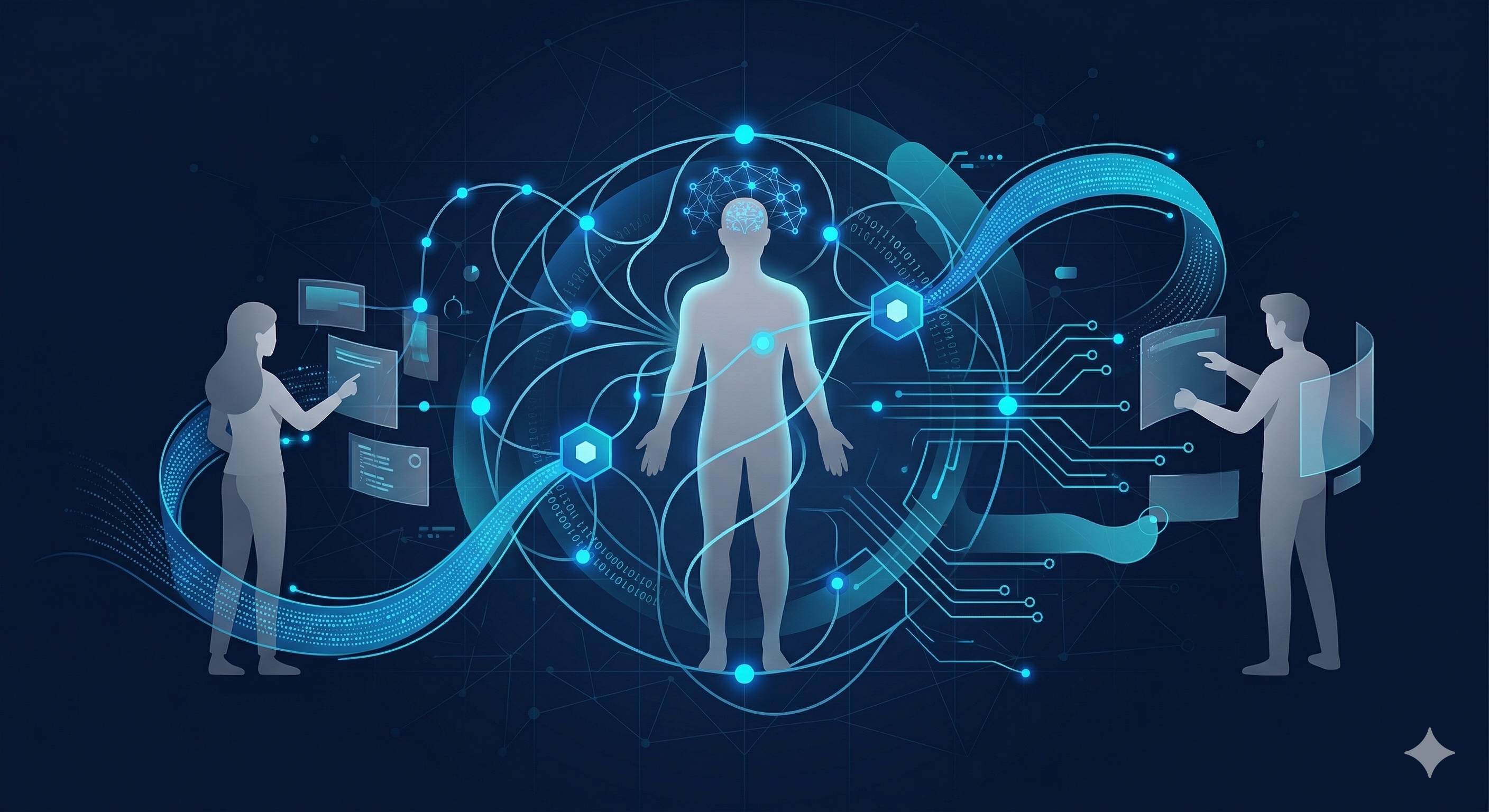
Organizations across healthcare, manufacturing, and professional services face mounting pressure to integrate AI solutions. Yet for every success story, there are countless implementations that fall short of expectations; not because the technology failed, but because the system wasn't designed with humans in mind.
The difference between AI that transforms operations and AI that collects digital dust often comes down to one critical factor: whether the implementation follows proven systems design engineering principles grounded in human factors research.
The Hidden Cost of Technology-First Thinking
Most AI implementations begin with a simple question: "What can this technology do?" This approach, while natural, puts the cart before the horse. It leads to solutions in search of problems, rather than purposeful tools that address genuine operational challenges.
Consider a hospital that invested in predictive analytics software to reduce patient wait times. The technology was sophisticated, the algorithms sound, but after six months, staff weren't using it consistently. The problem wasn't technological—it was systemic. The new tool didn't fit existing workflows, required data that was difficult to access, and provided insights in formats that didn't match how clinical staff actually made decisions.
This scenario plays out repeatedly across industries because organizations focus on AI capabilities rather than human needs and system constraints. A systems design engineering approach flips this priority, starting with deep understanding of how work actually gets done.
Understanding Work as It Really Happens
Human factors engineering teaches us that there's often a significant gap between work as imagined and work as performed. Organizational charts, process maps, and standard operating procedures tell us how work should happen. But the reality on the ground—where people adapt to unexpected situations, work around system limitations, and make split-second decisions with incomplete information—is where AI integration succeeds or fails.
A proper systems approach begins with cognitive task analysis: understanding how people currently process information, make decisions, and coordinate with others. This reveals opportunities where AI can genuinely enhance human capabilities rather than create additional burden.
Emergency dispatchers, for example, don't just follow scripts—they synthesize caller emotion, background noise, geographic knowledge, and resource availability to make critical decisions under time pressure. An AI system designed to support dispatchers needs to understand this cognitive complexity, not just automate routine tasks.
The Four Pillars of Human-Centered AI Implementation
1. Cognitive Compatibility
Effective AI integration requires understanding how people naturally process information and make decisions. Systems design engineering provides frameworks for analyzing cognitive workload, decision-making patterns, and information flow within existing operations.
This means designing AI that presents information in ways that match human mental models, provides the right level of detail at the right time, and supports rather than disrupts natural decision-making processes. When AI outputs align with how people think about problems, adoption becomes intuitive rather than forced.
2. Workflow Integration
The most sophisticated AI algorithm becomes worthless if it requires people to step outside their normal workflow to use it. Human factors research emphasizes designing technology that fits seamlessly into existing work patterns while gradually improving them.
This requires mapping current workflows in detail, identifying natural intervention points, and ensuring that AI-generated insights or recommendations appear exactly when and where they're needed. The goal isn't to revolutionize how people work overnight, but to enhance their existing capabilities.
3. Transparency and Trust
People need to understand how AI systems reach their conclusions, especially in high-stakes environments like healthcare or emergency response. Systems design engineering emphasizes creating appropriate levels of transparency—enough for users to develop calibrated trust without overwhelming them with technical details.
This involves designing explanations that make sense to domain experts, providing confidence indicators that help people know when to rely on AI recommendations, and ensuring that the reasoning process is compatible with professional judgment and regulatory requirements.
4. Adaptive Implementation
Complex systems evolve continuously, and AI implementations must be designed to adapt alongside changing needs, regulations, and organizational structures. Human factors engineering provides methods for building flexibility into systems from the start.
This means creating feedback loops that capture user experience, designing modular systems that can be adjusted without major overhauls, and planning for inevitable changes in organizational priorities and external requirements.
From Assessment to Integration: A Systematic Approach
When organizations approach AI integration through a systems design lens, the process becomes more systematic and predictable. Instead of starting with technology capabilities, the process begins with understanding system goals, constraints, and human needs.
Assessment Phase: Comprehensive analysis of current operations, including formal processes, informal workarounds, decision-making patterns, and system bottlenecks. This phase identifies where human cognitive capabilities are stretched thin and where AI could provide genuine value.
Design Phase: Development of AI solutions that integrate naturally with existing workflows while addressing identified needs. This includes prototyping user interfaces, testing information presentation formats, and validating that proposed solutions align with how people actually work.
Validation Phase: Systematic testing with actual users in realistic conditions, measuring not just technical performance but human factors like cognitive workload, decision accuracy, and system usability. This phase often reveals integration challenges that weren't apparent during initial design.
Deployment Phase: Gradual rollout with continuous monitoring of both system performance and human adaptation. This includes training that goes beyond basic system operation to help users understand how AI fits into their professional expertise.
The Competitive Advantage of Getting It Right
Organizations that invest in proper systems design engineering for AI integration see measurably different outcomes. Their implementations achieve higher user adoption rates, deliver sustained operational improvements, and adapt more successfully to changing requirements.
More importantly, they avoid the hidden costs of failed implementations: the time spent on change management for systems that don't fit, the productivity losses from tools that create more work than they eliminate, and the organizational skepticism that makes future improvement initiatives more difficult.
In complex organizations where safety, quality, and efficiency matter, the question isn't whether to integrate AI—it's whether to do it right. A systems design engineering approach grounded in human factors research provides the framework for building AI solutions that actually work for the people who use them.
The organizations that recognize this difference will find themselves with a sustainable competitive advantage: AI that enhances human expertise rather than fighting against it.